Antique Store Insurance NY | Protect High-Value Inventory
Penny Hendrie
Antique store insurance in New York explained. Learn about valuation, theft risks, and coverage considerations for high-value inventory.
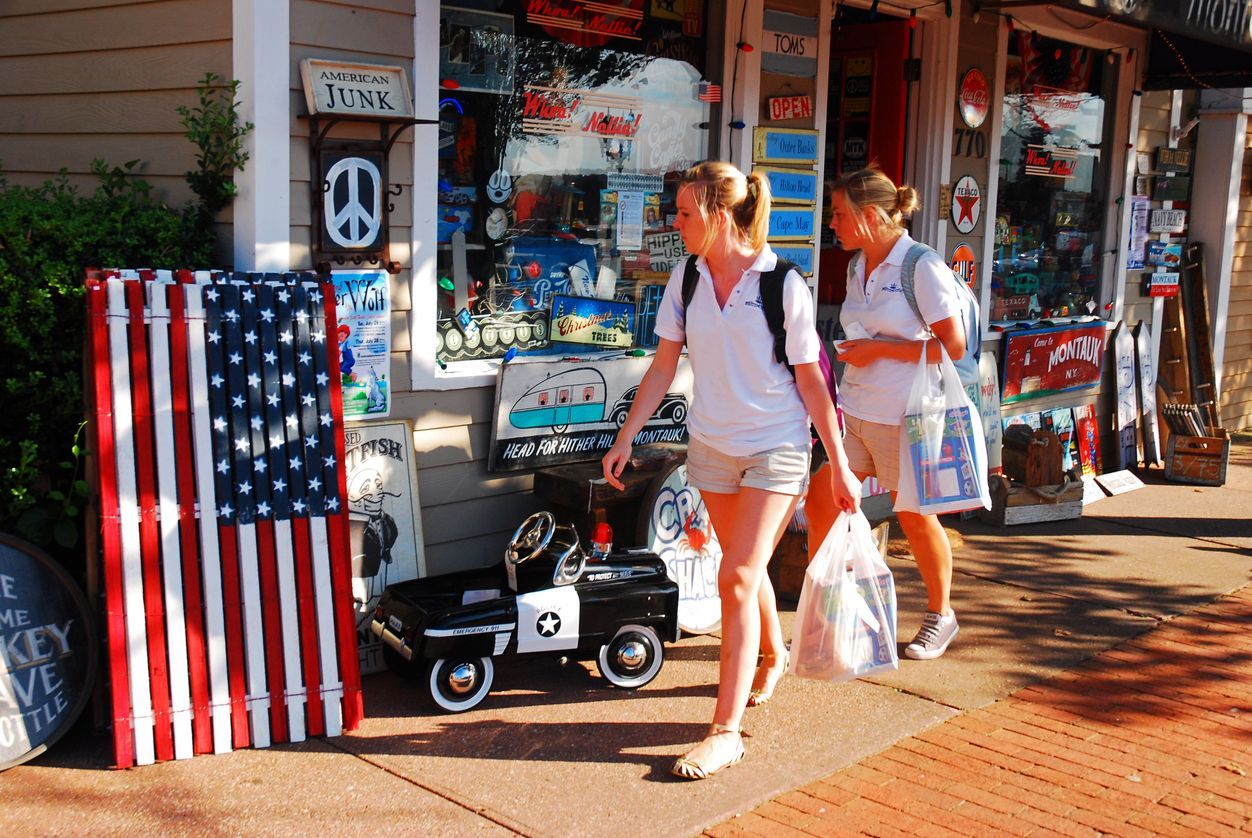
For antique store owners, inventory isn’t just stock—it’s history, craftsmanship, and in many cases, items that cannot be replaced.
That’s what makes insurance for antique businesses fundamentally different from standard retail.
At Eastern Insuring Agency, we work with antique and collectible retailers across New York and often find:
The biggest risk isn’t always a loss—it’s how that loss is valued and covered.
This article highlights key exposures and considerations that antique store owners should understand when reviewing their insurance.
1. Inventory Valuation: The Most Critical Factor
Unlike traditional retail, antique inventory often includes:
- One-of-a-kind items
- Fluctuating market values
- Consignment goods
This creates a unique challenge:
👉 How is value determined at the time of a claim?
If values are not properly documented or structured, it may result in:
- Coverage limitations
- Disputed valuations
- Partial claim recovery
Accurate inventory valuation is one of the most important underwriting considerations in this class
2. Theft & Burglary Exposure
Antique stores are often considered high-target retail environments due to:
- Small, high-value items
- Easy resale markets
- Limited ability to replace stolen goods
Carriers typically evaluate:
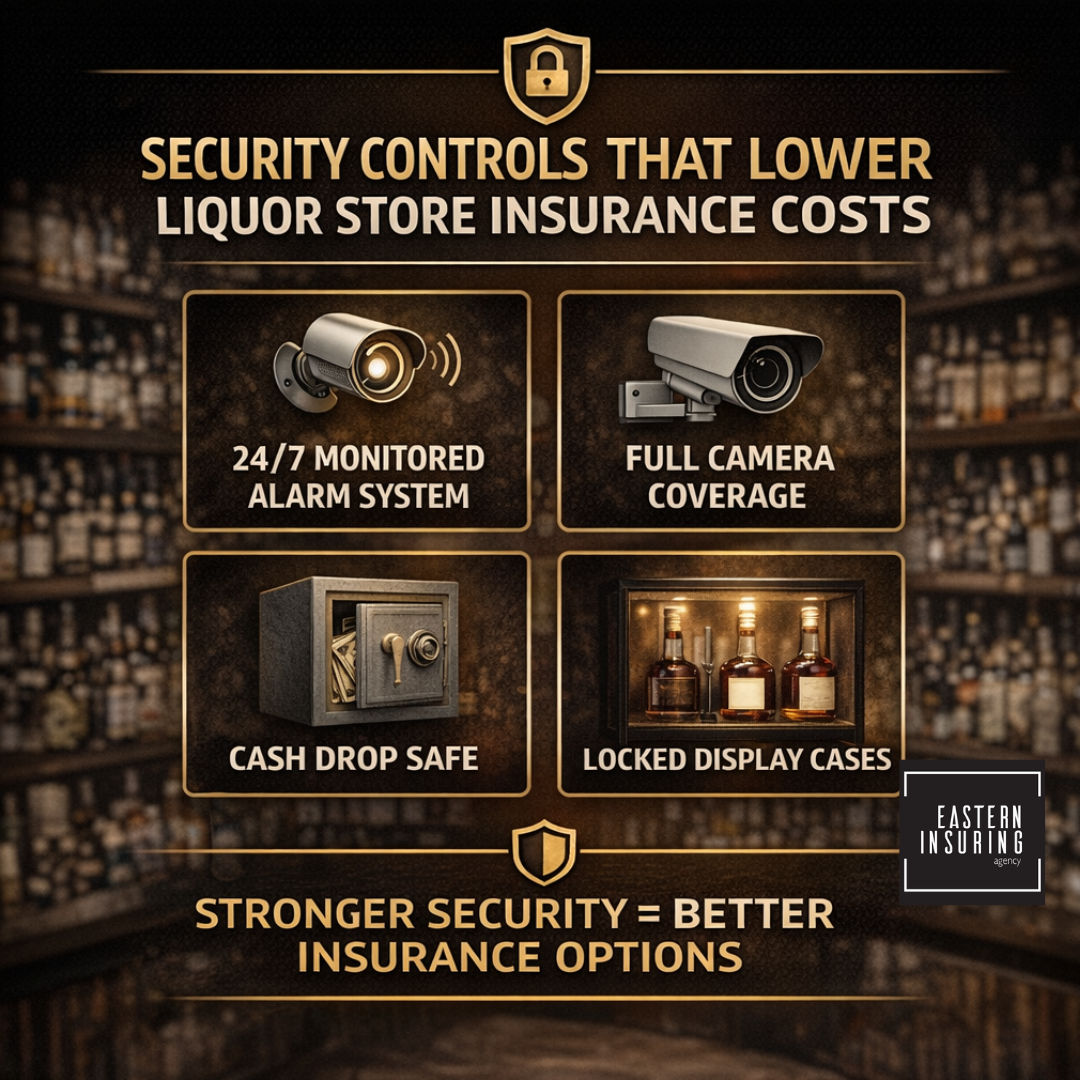
- Alarm systems
- Surveillance cameras
- Safes for smaller valuables
- Store layout and security controls
Theft-related losses are a leading concern in this segment
3. Property Risks (Especially in Older Buildings)
Many antique stores operate in:
- Historic buildings
- Main Street retail locations
- Mixed-use properties
This introduces additional considerations such as:
- Older electrical systems
- Roof condition
- Fire exposure
Water damage and fire losses are also commonly seen in this class
4. Consignment & Ownership Complexity
Many antique stores operate using:
- Consignment agreements
- Multi-vendor arrangements
- Shared inventory responsibility
Without clear documentation, this can create confusion around:
- Who owns the item
- Who is responsible for insuring it
- How a claim would be handled
Proper agreements and documentation are important from both a legal and insurance perspective.
5. What Underwriters Typically Evaluate
When reviewing antique store risks, carriers often focus on:
Inventory Controls
- Documentation of values
- Appraisals or records
- High-value item tracking
Security Measures
- Alarm systems
- Cameras
- Safes or locked cases
Property Characteristics
- Building condition
- Fire protection
- Electrical systems
These factors play a key role in underwriting decisions and available coverage options
6. Common Challenges That May Impact Coverage
Based on market trends, increased scrutiny may occur when there is:
- No formal inventory documentation
- High-value items not separately addressed
- Lack of security systems
- Prior theft or burglary claims
- Unclear consignment agreements
These factors do not automatically result in coverage restrictions, but they may affect underwriting outcomes and policy structure.
7. The Reality of Insuring Unique Inventory
Antique stores are often evaluated differently than standard retail because:
- Items may not have a clear replacement cost
- Market value may fluctuate
- Documentation becomes critical at the time of loss
This makes proactive planning and clear valuation strategies especially important.
How Eastern Insuring Agency Supports Antique Store Owners
At Eastern Insuring Agency, we take a detailed and consultative approach to working with antique businesses.
We help owners:
- Understand how inventory is valued and insured
- Identify potential coverage gaps
- Align insurance structure with how inventory is bought, sold, and stored
- Improve risk presentation for underwriting and renewal
Our goal is to help provide clarity—so you can make informed decisions about protecting what you’ve built.
Important Note
This article is provided for informational purposes only and is not intended to amend, interpret, or replace any insurance policy. Coverage availability, terms, and conditions vary by carrier and policy. Business owners should consult with a licensed insurance professional regarding their specific situation.
If you own or operate an antique store in New York and would like to review your current insurance program:
👉 We’re available to walk through your coverage and help you better understand how it may respond—especially when it comes to inventory valuation and protection.
Recent posts